
Frequently Asked Questions
Here are just a few of the questions we get asked, we’ve filtered them into our core services so please have a browse. If your question is not included here, please don’t hesitate to contact us and we would be pleased to answer any concerns or questions you have.

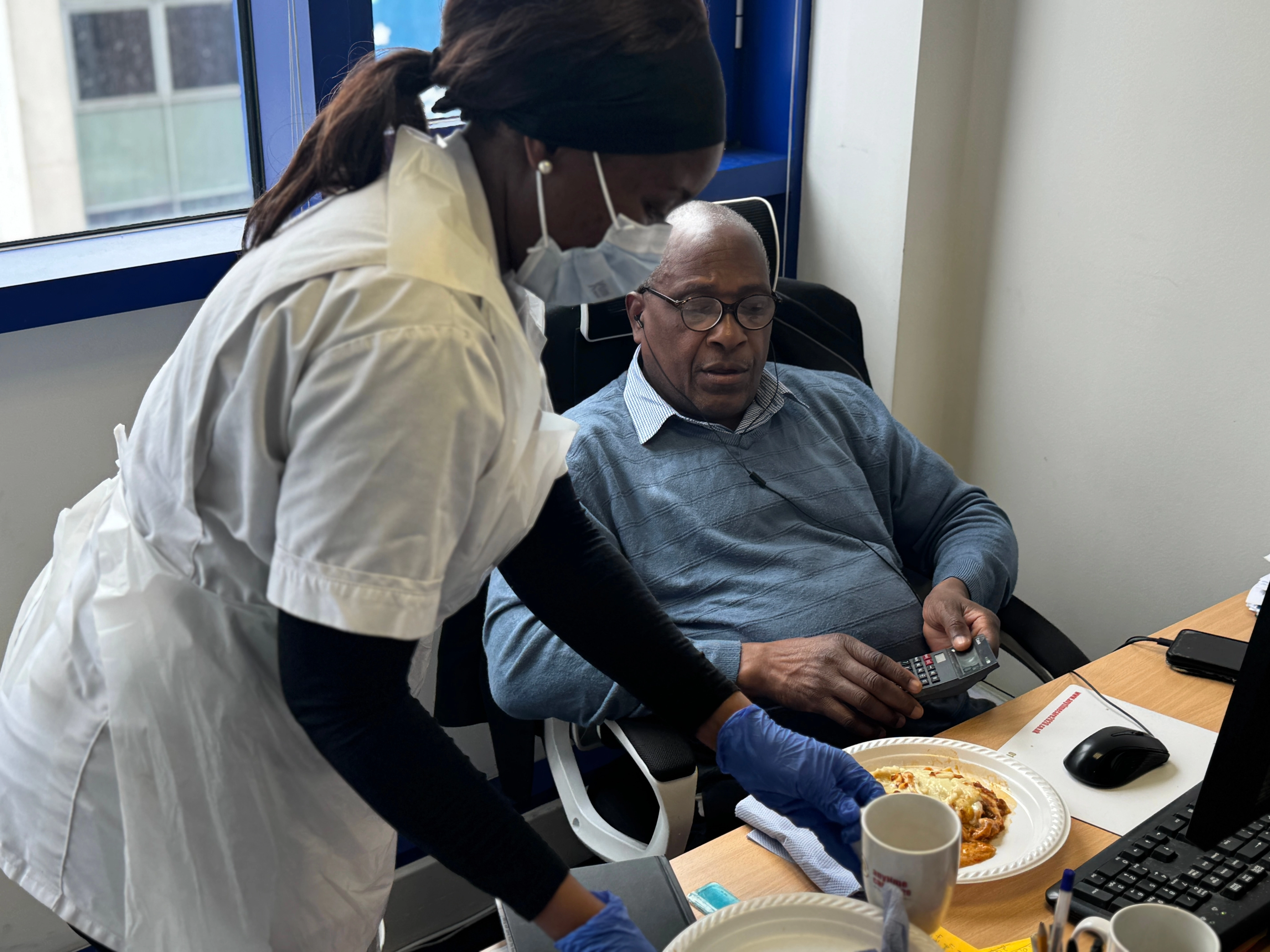
Are your carers specifically trained for complex needs?
Yes. Our staff undergo advanced training in various complex care skills such as airway management, vital signs monitoring, and condition-specific care before they are matched with a complex care client.
Are your staff specifically trained for dementia?
Yes, we have dedicated Dementia Champions who train our team in communication and behavioural support.
Can you work alongside our GP or District Nurse?
Absolutely. We act as part of your wider healthcare team to ensure seamless care coordination.
What types of complex care needs do you support?
Care is always tailored to the individual’s needs. We support a wide range of complex conditions, including:
- Neurological conditions e.g. Parkinson’s, MS
- Dementia and cognitive decline
- Stroke recovery
- Physical disabilities
- Palliative and end-of-life care
- Post-hospital rehabilitation
How is complex care planned and managed?
We take a structured and collaborative approach:
- Initial assessment of needs
- Development of a detailed care plan
- Risk assessments and clinical oversight
- Regular reviews and updates
Will I have the same carers regularly?
Yes. Continuity is especially important in complex care. We provide a small, consistent team of carers who are skilled and understand your needs, routines, and preferences.
How do you ensure care is safe?
Safety is at the centre of everything we do. We ensure:
- Ongoing training and competency checks
- Regular supervision and spot checks
- Clear care plans and risk management
- Open communication with families and professionals
Can care be provided at short notice after hospital discharge?
Yes, where possible. We understand that hospital discharges can happen quickly, and we aim to respond promptly while still ensuring the right level of preparation and safety.
What makes specialist care at home different from hospital or residential care?
Care at home allows individuals to remain in familiar surroundings, maintain routines, and receive one-to-one support. This can often improve comfort, emotional wellbeing, and overall quality of life.
Can you support with medication and clinical tasks?
Yes. Depending on your needs, our trained carers can support with medication management and certain clinical tasks, in line with training, competency, and professional guidance.
How do you support families as well as the individual?
We recognise that complex care affects the whole family. We provide reassurance, communication, and support so families feel informed, involved, and confident in the care being delivered.
What if needs change or become more complex over time?
Care is flexible and evolves with you. We regularly review support and can adapt quickly to ensure care continues to meet changing needs safely and effectively.
How do you match carers for complex care?
To ensures both competence and compatibility, matching is based on:
- Clinical skills and experience
- Personality and communication style
- Understanding of the specific condition
Are carers trained for specific complex conditions?
Yes. Carers receive ongoing training tailored to the needs of the individuals they support. This may include condition specific training, moving and handling, medication support, dementia care, and other specialist competencies where required.
What happens in an emergency?
Our carers are trained to respond appropriately in emergencies, following clear protocols and escalating concerns to emergency services and healthcare professionals when required.
How much does specialist or complex care cost?
Costs vary depending on the level and intensity of support required. We provide clear, transparent guidance and will help you understand your options so you can make informed decisions.
Is complex care only for long-term conditions?
Not at all. We also support:
- Short-term recovery
- Post-surgery care
- Transitional support after hospital stays
- Respite care
Who is complex care suitable for?
Specialist and complex care may be suitable for individuals living with long-term conditions, recovering from serious illness or injury, requiring ongoing clinical support, or needing more advanced care than standard domiciliary support alone.
Do you work alongside healthcare professionals?
Yes. We work collaboratively with GPs, district nurses, occupational therapists, hospitals, and other healthcare professionals to help ensure joined up and consistent care.
Does the carer need their own room?
Yes, a private bedroom is required. They become a respectful, supportive presence in the home.
How do you match a carer to my personality?
We look at hobbies, interests, and temperament - not just clinical skills. We want your carer to be someone you genuinely enjoy spending time with!
What happens if our regular carer is on holiday?
We manage all holiday cover with a secondary carer who is equally trained and familiar with your care plan.
What does live-in care include?
Live-in care is tailored around the individual’s needs and routines. Support may include:
- Personal care
- Medication support
- Meal preparation
- Household tasks
- Companionship and emotional support
- Mobility assistance
- Support attending appointments or social activities
Is live-in care a good alternative to a care home?
For many people, yes. Live-in care allows individuals to remain in familiar surroundings, maintain independence and routines, and receive one-to-one support in the comfort of their own home. It can be a more personal and flexible alternative to residential care.
Will the carer be there overnight?
Yes, the carer stays in the home and can provide reassurance and support during the night if needed. We will discuss overnight requirements as part of your care assessment to ensure the right level of support is in place.
Can family members still be involved in care?
Absolutely. We see care as a partnership with families. Loved ones can remain as involved as they wish, while also having peace of mind that consistent support is in place.
What if the live-in arrangement doesn’t feel right?
Your comfort and wellbeing are very important to us. If something doesn’t feel right, we will listen carefully and work quickly to review the arrangement and make any necessary changes. Your comfort and confidence in your care is our priority.
How quickly can live-in care be arranged?
In many cases, we can arrange live-in care within a few days, depending on your situation. We take time to get the match right, but we also understand that some situations are urgent and will prioritise accordingly.
What does a live-in carer actually do?
Care is always tailored to your individual needs and preferences. A live-in carer provides both practical and emotional support, including: Personal care (washing, dressing), Medication support, Meal preparation, Companionship, Help with daily routines, and support to remain active and independent.
Will I still have independence in my own home?
Absolutely. Live-in care is designed to support independence, not take it away. Your routines, preferences, and choices always come first, the carer is there to support your lifestyle, not change it.
What are the working hours of a live-in carer?
Live-in carers are available throughout the day and night, to provide support as needed, with agreed rest breaks and sleep time. We ensure working arrangements are safe, fair, and compliant, while still meeting your needs.
Can live-in care support complex or specialist needs?
Yes. We ensure carers have the right skills, training, and experience for your specific situation. We support a wide range of needs including: Dementia care, Mobility support, Post-hospital recovery, and long-term conditions.
How is live-in care different from visiting care?
Visiting care provides support at agreed set times during the day, whereas live-in care offers consistent, ongoing support from someone living in your home. This provides greater continuity, reassurance, and flexibility.
How much does live-in care cost?
Costs can vary depending on the level of support required. We provide clear, transparent guidance and will talk you through options so you can make an informed decision with no pressure.
Will I have the same carer all the time?
You will typically have a main carer, supported by a small, consistent team for breaks and cover. This ensures continuity while also maintaining high standards of care and wellbeing for both you and the carers.
How do you ensure quality and safety?
Your safety, dignity, and wellbeing are always at the centre of everything we do. We maintain high standards through: Careful recruitment and vetting, Ongoing training, Regular supervision and reviews, and open communication with yourself and families.
Can I choose my visit times?
Yes. Unlike local authority contracts, our private care visits are scheduled at times that suit your lifestyle, not our rota. So we work around your schedule, whether you need an early morning start or a late evening visit.
How do I know who is coming?
We prioritise consistency for your peace of mind. We introduce a small, consistent team of carers so you always see a familiar face you know and trust.
How long are the visits?
We don't do 'flying visits.' Our 1-hour minimum visit length ensures our carers have time to provide unhurried, quality care and a proper chat!
How do you match carers with clients?
We carefully consider personality, communication style, experience, and individual preferences when introducing carers. Good care is not just about qualifications, but also about compatibility and trust.
How quickly can care at home be arranged?
In many cases, care can be arranged within 48hours. We balance responsiveness with getting things right, ensuring your care plan and carer match are properly considered from the start.
What does domiciliary care include?
Everything is built around your preferences and daily routine. Support is tailored to your needs and may include:
- Personal care (washing, dressing, toileting)
- Medication support
- Meal preparation
- Light household tasks
- Companionship and wellbeing support
- Shopping and support with everyday errands
Will I lose my independence if I have care at home?
Not at all. The aim of domiciliary care is to support your independence, not take it away. We work with you to maintain your routines, choices, and control over your day-to-day life.
Can I start with just a small amount of care?
Yes, and many people do. Starting with a few visits a week can provide reassurance and help build confidence. Care can then increase gradually if needed.
What if my needs change over time?
Care is flexible and can evolve with you. We regularly review your support to ensure it continues to meet your needs, whether that means reducing, increasing or adjusting visits.
How do you ensure the carers are trustworthy and safe?
We only select individuals who demonstrate both skill and genuine compassion. All our carers go through a thorough, values based, safer recruitment process, including:
- Enhanced DBS checks
- Reference checks
- Training and competency assessments
What if I don’t feel comfortable with my carer?
Your comfort is essential. If something doesn’t feel quite right, we will listen and act quickly to review and make changes. Care should always feel safe and supportive.
Can family members be involved in my care?
Absolutely. We encourage open communication with families and see care as a partnership. We can keep loved ones informed and involved, as much or as little as you prefer.
Do you support people with specific conditions?
Yes. Care is always adapted to your individual situation. We support a wide range of needs including:
- Dementia care
- Mobility support
- Long-term health conditions
- Recovery after illness or hospital stays
What happens if my regular carer is unavailable?
We ensure continuity by introducing a small team from the start. Any cover is carefully planned, with carers who are familiar with your care plan and preferences.
What happens if there is an emergency?
Our carers are trained to respond calmly and appropriately in emergency situations. We follow clear procedures, contact emergency services when needed, and keep family members informed as quickly as possible.
Do you provide a pricing guide?
Yes. We believe in being open and transparent about costs. We can provide a general pricing guide to help you understand the likely costs of care, while exact pricing is tailored to the level of support, visit frequency, and individual needs. Following an initial conversation or assessment, we will explain all options clearly with no hidden fees or pressure.
Is there a minimum number of visits per week?
We are flexible and will work with you to create a care plan that suits your needs. Whether you require one visit a week, occasional support or daily visits, we tailor this around you.
How do I get started?
It usually begins with a simple conversation. We take time to understand your situation, answer your questions, and guide you through the next steps at your pace.
How quickly can you start?
For emergencies, we can often have a carer in place within 24 - 48 hours.
Can I book respite care for a one-off holiday?
Absolutely. Whether it’s a week-long break or a weekend away, we provide the flexibility you need.
Can I book just a few hours a week?
Yes, our respite is fully flexible, from short visits to 24-hour temporary live-in support.
Can I make a regular respite arrangement with you?
Absolutely! Just give our friendly team a call to discuss how regularly you need to arrange care and we’ll tailor a service for you. Call us on 01708732713 or book a free consultation to check our availability or make a regular arrangement.
Clear and Transparent
Complete Transparency: We believe in being completely open about costs. You will always know exactly what your care will cost from day one, with no surprises or hidden administrative fees.
No Pressure Options: We provide clear, indicative pricing guides based on your initial conversation and assessment, explaining all options with absolutely zero pressure or obligation.
Fair and Flexible Contracts: Our flexible terms ensure you can easily adjust, scale, or pause your care package as your wishes or medical requirements change over time.
Is there a minimum visit length for home care?
Yes, a minimum visit length applies to our care services. We do not offer 'flying visits' because we believe care should never feel rushed or impersonal. This ensures our award-winning carers have plenty of time to deliver safe, dignified support and enjoy a proper chat with your loved one.
Are there any hidden fees or extra charges for weekends?
No. We believe in complete transparency. You will always know exactly what your care will cost from day one, with no surprises or hidden administrative fees. Our hourly pricing guide covers our comprehensive services, and exact rates are clearly outlined following your initial assessment.
What is your cancellation policy if our plans change?
We understand that life can be unpredictable. If you need to pause or cancel a scheduled care visit, there is no charge as long as you provide our team with at least 24 hours' notice.
How does the 3-tier care package model work?
All three of our packages deliver the exact same exceptional standard of care from our trained team. The difference lies purely in the breadth of support and the level of wrap-around coordination your family requires—from essential daily routines in our Foundation tier to extensive specialist and clinical support in our Premium tier.
Can we change our care package as our needs evolve?
Absolutely. No two care journeys are identical, and your plan is built to be completely flexible. We conduct regular reviews and can effortlessly scale your support up or down as your routines, wishes, or medical requirements change.